In today’s society, addiction is often surrounded by stereotypes and misconceptions. Many of these assumptions stem from limited understanding of the science behind addiction or from preconceived judgments shaped by secondhand storytelling. In my JanTerm course, Addiction Through the Lens of Media and Experience, we examined both the scientific and narrative sides of addiction to build greater awareness and empathy for people living with it.
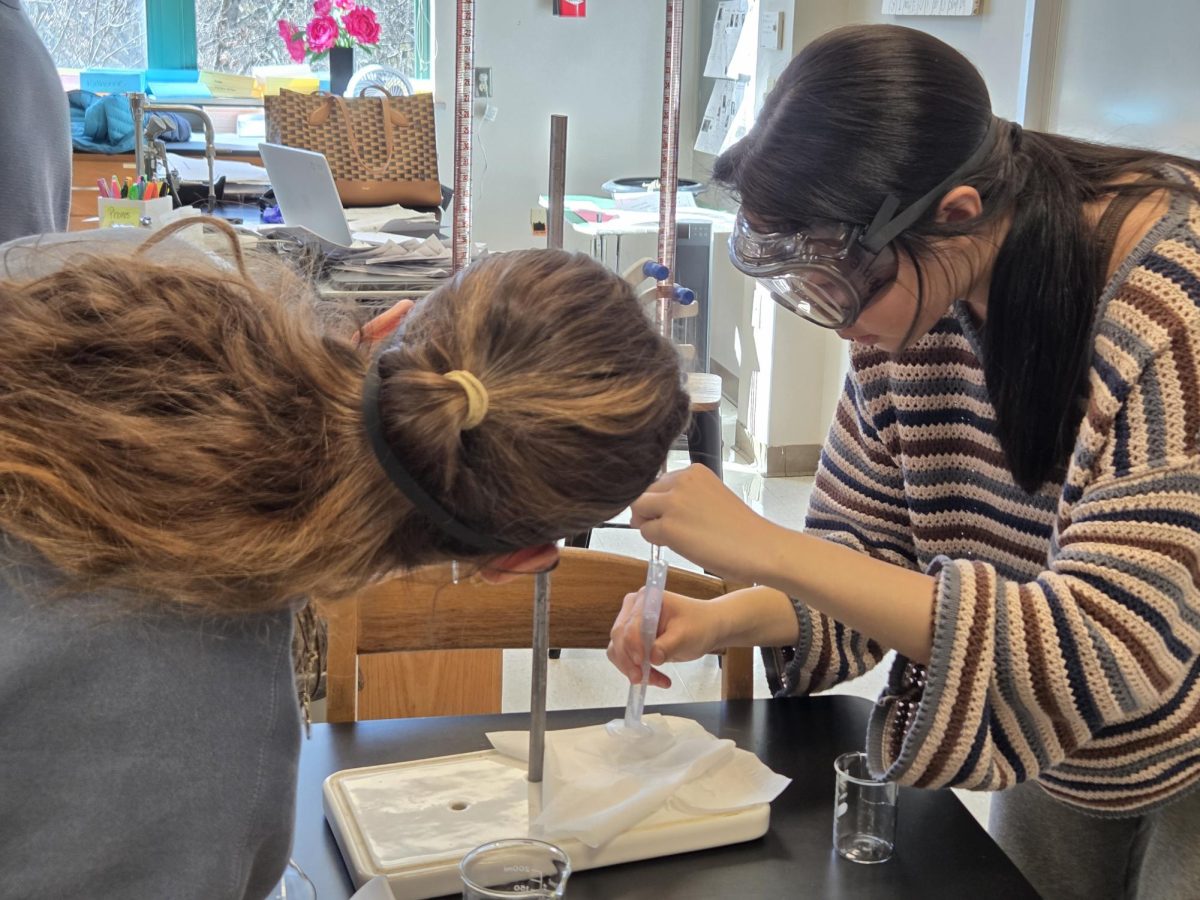
During the first week of the course, we focused on defining addiction and understanding the biology behind it. Addiction is a chronic disease, meaning it cannot be cured, though it can be treated and managed. We learned about two primary types of addiction: substance addiction, which involves dependence on alcohol or other drugs, and process addiction, which involves compulsive behaviors such as social media use or video gaming. Both types affect brain chemistry and can make recovery especially challenging.
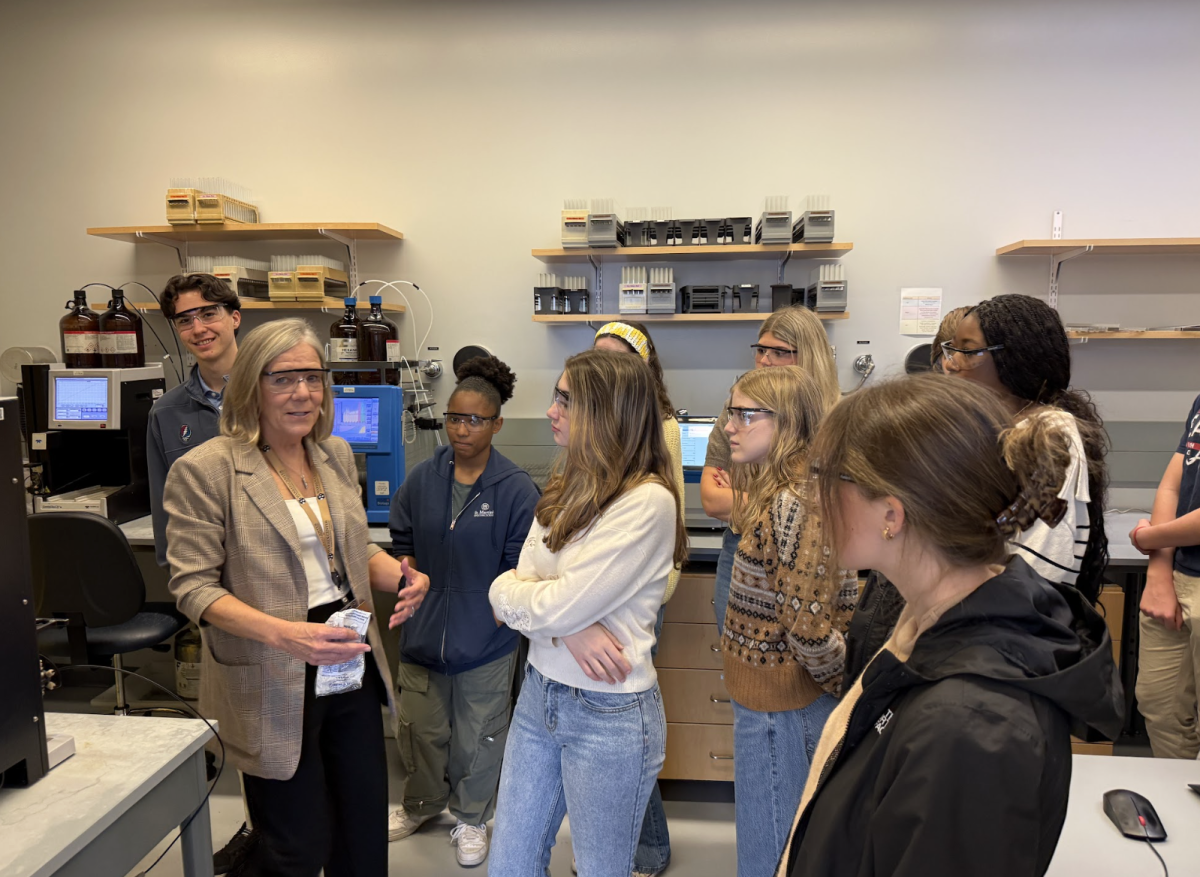
From Jan. 7 to Jan. 9, the class traveled to Nashville to visit Vanderbilt University’s Lindsley Laboratory, where we studied the science of addiction under the guidance of Dr. Kristen Gilliland. The visit deepened our understanding of how addiction functions in the brain and reinforced the idea that addiction is not a choice. Learning that relapse is often a part of recovery reshaped how many of us viewed the process and those experiencing it.
That scientific foundation made later experiences even more meaningful. On Jan. 14, we visited Trinity Community Ministries, a recovery center for men in downtown Atlanta. During our visit, we toured the facilities and shared lunch with participants in the program. Listening to their stories and talking about everyday topics such as school and sports helped humanize an issue that is often discussed only in abstract terms. By the end of lunch, my table had even played several rounds of 20 Questions together.
Addiction Through the Lens of Media and Experience is a challenging course, both emotionally and intellectually. However, the combination of scientific study and personal connection made it deeply impactful and reinforced the importance of empathy when discussing addiction.