No athlete steps onto a varsity court overnight. It takes hard work, long practices, conditioning and steady improvement. Each athlete begins by building a foundation, and for many that foundation starts in middle school and junior varsity programs.
Middle school teams are often the first step toward competitive athletics. They allow students to feel the drive and support of a team with less pressure than playing for an Upper School team. The habits and relationships athletes build in these early years set them up for long term success.
“Middle School has prepared us for high school tennis by showing us what match days will feel like and how to gain a competitive mindset,” said eighth grade tennis and track athlete Arabella Smith. “We also learned how to better manage our time because we often got home late from away matches.”
The middle school tennis team gained fundamental skills that translated to their region championship win after defeating Wesleyan in the finals. Smith credits the team’s success to the bonds and spirit they built during the season.
“This year, practices were required,” said Smith. “Although it was a commitment, I think it contributed to our community by creating bonds with girls in both grades. Our team had lots of spirit, especially on match days where we would all cheer for each other.”
These connections and experiences help athletes feel prepared and comfortable when transitioning into Upper School athletics. Yet even with a strong foundation, the jump from middle school to JV brings new challenges and expectations.
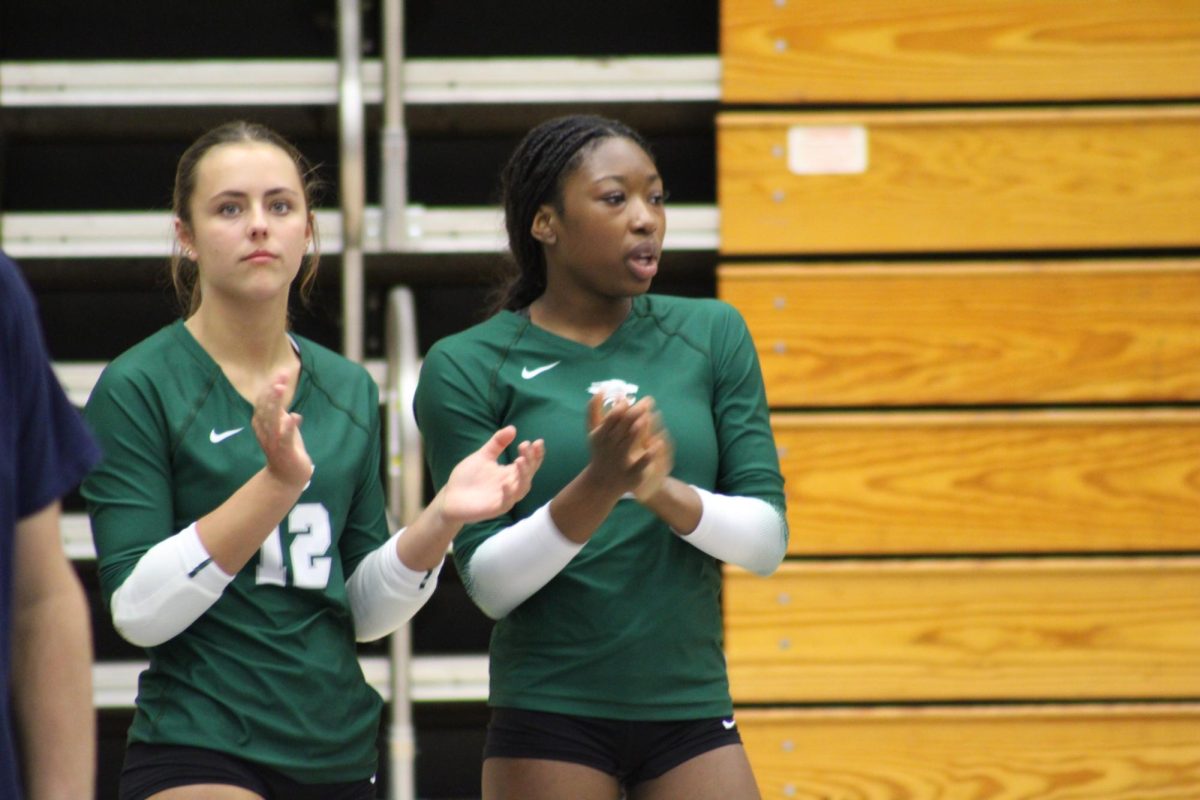
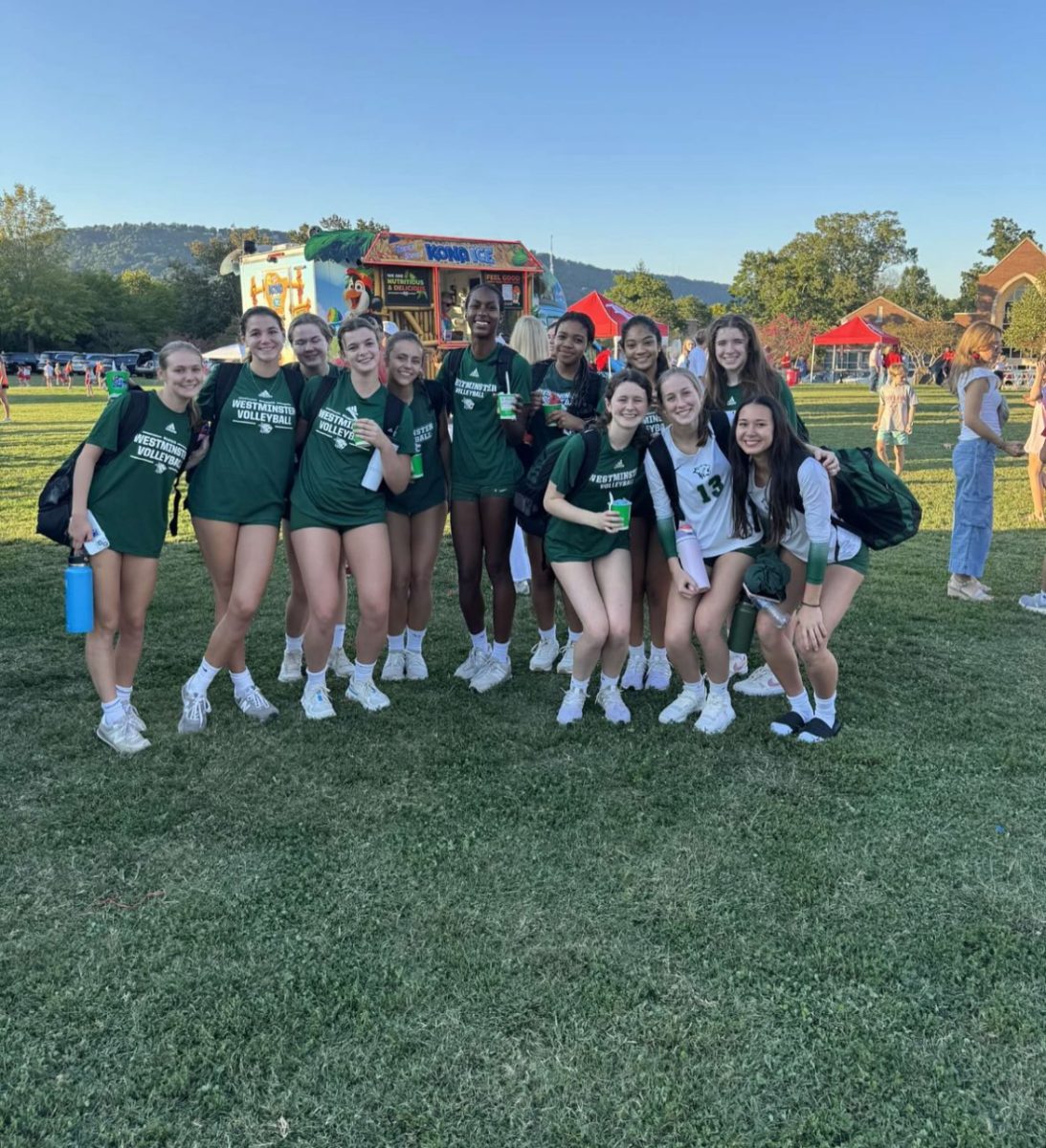
“The level of coaching and intensity is higher,” said JV volleyball player Panthea Refai. “You play harder schools, the season is longer and you have to start earlier in the summer. Middle school usually starts in August but JV starts in July. Overall, you have to practice a lot more.”
The extra commitment helps develop skill and build strong team chemistry. The athletes saw steady improvement in consistency and cooperation. They finished their season with a strong effort that led to a successful run in the end of season tournament.
Beyond the scores, JV aims to prepare athletes for the next step.
“The JV program helps sharpen your skills, and they really focus to make sure you’re ready for varsity,” said Refai. “As a setter, I was learning new plays that I had never run before that would definitely help me on the road to varsity.”
Behind the scenes, coaches across Westminster share the goal of helping their athletes improve and preparing them for what comes next. They focus on building strong habits and well rounded players.
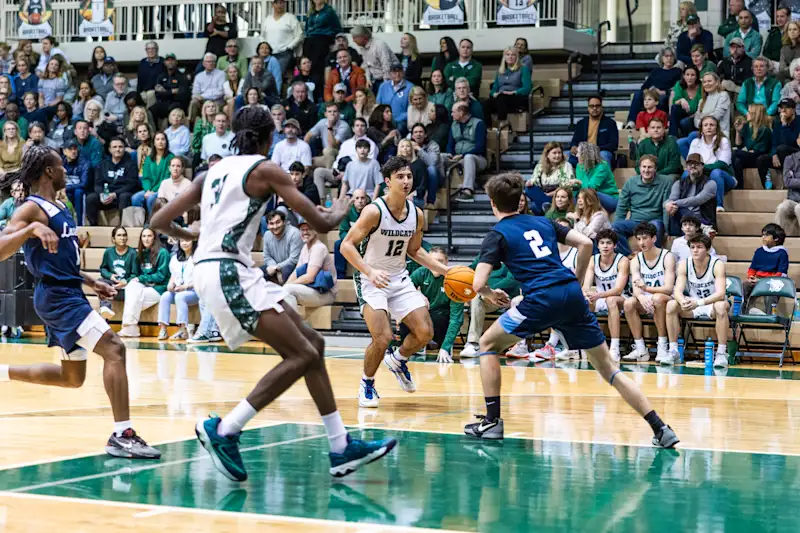
JV girls basketball coach Frank Brown, now in his fourth year leading the team, emphasized how these programs serve as an essential on ramp to the demands of high school competition.
“The skill and pace of the Upper School game is much higher than middle school,” said Brown. This is the time when girls begin developing habits like extra workouts, weight lifting or film breakdown that can set them apart. Also, we run many of the same sets and use the same terminology as the varsity team, so they will be familiar with those facets of the program.”
Middle school and JV teams continue to shape Westminster athletes, teaching them not only how to play but how to persevere, connect and lead. They prioritize building a foundation of discipline and determination that sets the tone for success at the varsity level.
“Try, adjust and try again,” said Brown. “Most of all, trust the process.”
Edited by Izzy Winarsky